
Program Benefits
Solutions for communities, service for homes.
Infrastructure Challenges
Wastewater collection systems across the country are aging and steadily failing. As we prepare for the future, we must put massive consideration into the infrastructure below our feet. The nature of our out-of-sight sewers puts us at a disadvantage when attempting to sustain and improve the quality of the collection system. We simply cannot see issues as they happen and develop a solution on the spot. It takes advanced processes and the implementation of state-of-the-art technology to effectively and efficiently maintain and sustain our sewer system. Knowledge of the intricate system is also critical to understanding the necessary improvements for the future.
We have spent years studying the important variables that go into sustaining our wastewater collection systems. Our thorough understanding of how these systems work, the shortcomings of the system, the necessary work that needs to be done, and modern improvement and rehabilitation techniques offers municipalities and homeowners value in solving their issues.
Helping Municipalities Tackle Infrastructure Challenges
PipeLogix provides municipalities with crucial insights and solutions for managing Gas Line Cross Bores, addressing Sea Rise impacts, and monitoring Groundwater levels.
Management of Sewer Systems
Public vs. Private Property
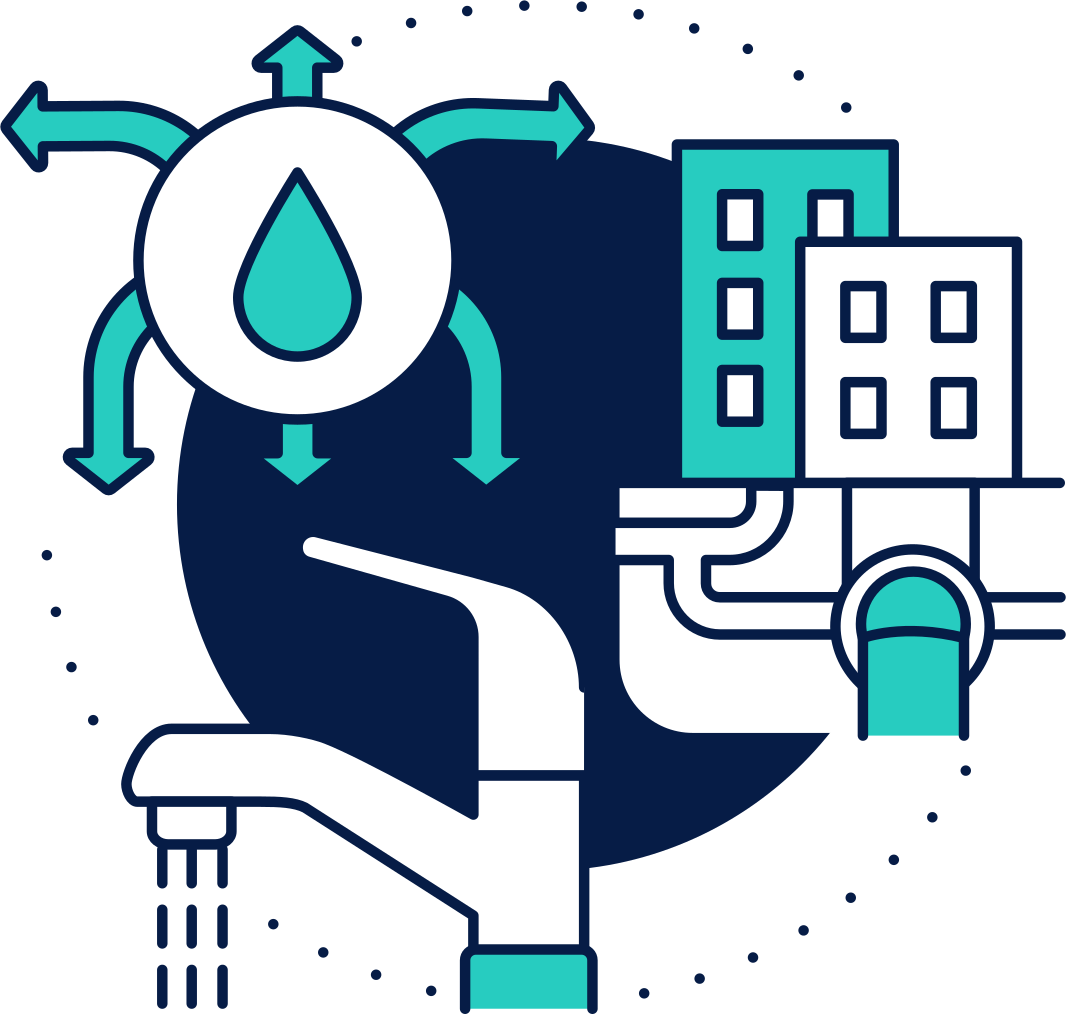
The wastewater collection system is half on public property and half on private property. This separation of ownership has historically left only half the system accessible for maintenance and upgrades through municipal departments and funding.
This is simply not enough to prevent the collection system from vulnerabilities of a changing world. Climate change, sea rise, and groundwater rise will ultimately impact our ability to use water in our homes and rely on it leaving the drains. We must educate and inform homeowners and property owners of their part of the collection system and their obligations to maintain and repair.
Community Engagement
We have aligned ourselves with various environmental groups as well as sustainability agencies to provide homeowners with relatable information regarding their responsibilities and duty in wastewater infrastructure sustainability to have a positive impact moving forward.
Our community engagement initiatives provide homeowners with the knowledge and resources they need to identify issues with their sewer lines and how they can fix them.

Overview of Cross Bores
A gas line cross bore refers to an unintended intersection of an existing underground utility line (such as a sewer or water line) with a newly installed gas line. This typically occurs during horizontal directional drilling (HDD), a trenchless method used for installing underground utilities.
Causes of Cross Bores
Lack of Proper Utility Locating
Failure to accurately locate and mark existing underground utilities before drilling can lead to cross bores.
Inadequate Planning
Insufficient planning and surveying can result in drill paths that intersect with existing utilities.
Human Error
Mistakes during the drilling process can cause the drill to deviate from the intended path.
Old or Incomplete Records
Inaccurate or outdated maps of underground utilities can lead to unintentional intersections.
Risks and Consequences
Explosions and Fires
If a gas line intersects with a sewer line, it can go unnoticed until maintenance work or blockages occur. Drilling or cleaning operations in the sewer line can ignite the gas, leading to explosions and fires.
Utility Service Disruptions
Cross bores can damage existing utilities, leading to service interruptions and costly repairs.
Public Safety Hazards
The presence of gas in non-gas utility lines poses significant safety risks to workers and the public.
Environmental Impact
Gas leaks resulting from cross bores can cause environmental damage.
Effects on Sewer Systems
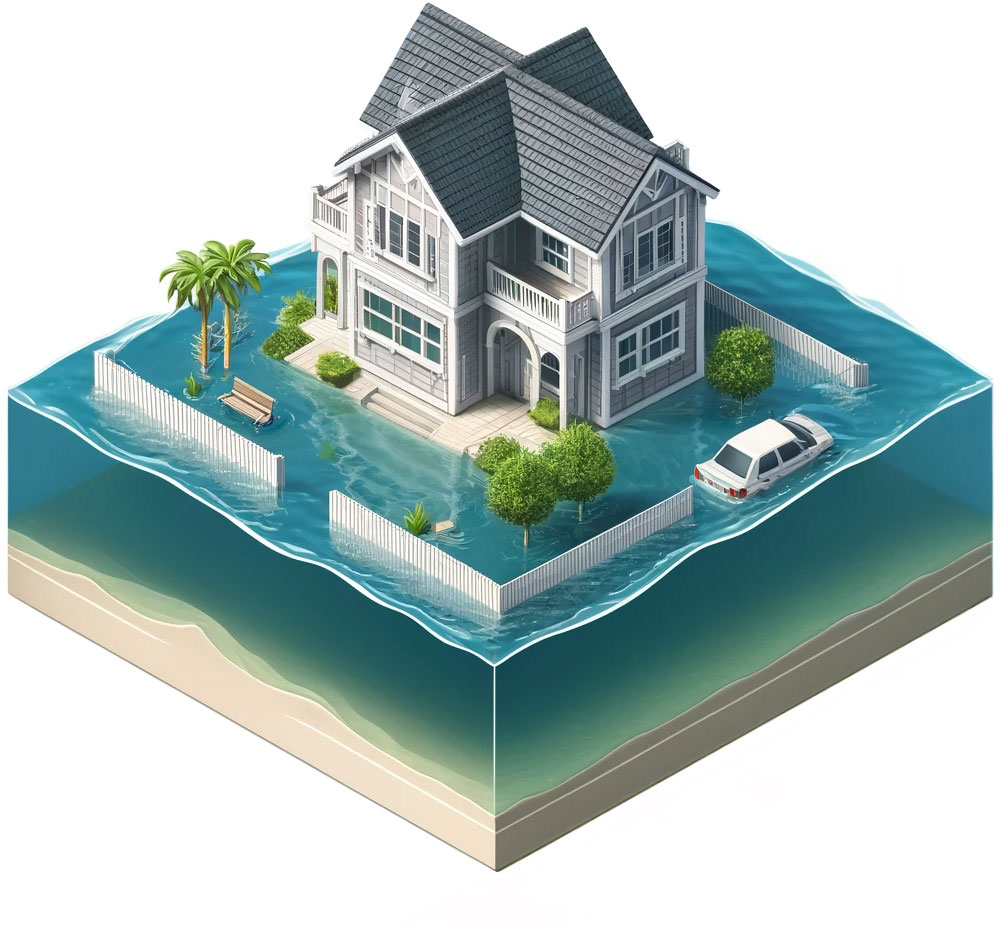
Sea level rise poses significant challenges to sewer infrastructure, particularly in coastal cities. As sea levels rise, several adverse effects on sewer systems have been observed:
Increased Flooding and Sanitary Sewer Overflows (SSOs)
Saltwater Intrusion and Groundwater Rise
Higher sea levels can lead to saltwater intrusion into the sewer systems, corroding pipes and infrastructure. Additionally, rising groundwater levels increase the likelihood of inflow and infiltration (I&I), where groundwater enters sewer pipes through cracks and joints, reducing the capacity of treatment plants and leading to overflows.
Structural Damage and Increased Maintenance Costs
The corrosion of sewer pipes, particularly older cast-iron ones, accelerates with increased exposure to saltwater. Upgrading these systems can be prohibitively expensive, making it challenging for municipalities to keep up with the necessary repairs and replacements.
Wastewater Treatment Challenges
Treatment plants are designed to handle specific flow rates and pollutant loads. Increased I&I and higher sea levels can overwhelm these facilities, leading to inadequate treatment and the discharge of untreated or poorly treated wastewater into the environment. This not only poses a public health risk but also impacts coastal water quality.
Mitigation Measures
Proactive measures and innovative solutions such as the Pipelogix Program are essential to mitigate the impacts of sea level rise on sewer systems and protect public health and the environment.
Effects on Sewer Systems
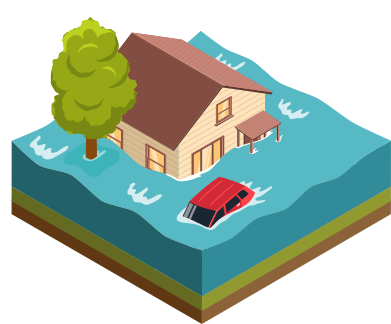
Rising groundwater levels significantly impact sewer infrastructure in various ways:
Increased Inflow and Infiltration
Higher groundwater levels can lead to increased inflow and infiltration into sewer systems. Infiltration occurs when groundwater seeps into sewer pipes through cracks, joints, and other defects, while inflow refers to surface water entering the system through manholes, roof drains, and other openings. This additional water load can overwhelm sewer systems, leading to overflows and increased operational costs.
Corrosion and Structural Damage
The presence of groundwater, especially if it is contaminated with salt or other corrosive substances, can accelerate the deterioration of sewer pipes, particularly those made of older materials like cast iron. Corrosion weakens the pipes, making them more susceptible to leaks and breaks, which can further exacerbate I&I issues and lead to costly repairs and replacements.
Reduced Treatment Efficiency
Sewer systems and wastewater treatment plants are designed to handle specific volumes and pollutant loads. Increased groundwater infiltration can dilute the sewage, reducing the efficiency of biological treatment processes. Additionally, the added volume can exceed the capacity of treatment plants, leading to the discharge of untreated or partially treated wastewater into the environment, posing public health risks and harming aquatic ecosystems.
Flooding and Overflow Risks
Rising groundwater levels can lead to increased flooding, particularly during heavy rainfall events. This can cause sewer systems to overflow, resulting in the discharge of raw sewage into streets, basements, and natural water bodies. Such overflows not only create health hazards but also contribute to environmental pollution.
Increased Maintenance and Operational Costs
Managing the impacts of rising groundwater levels requires significant investment in maintenance and upgrades. This includes repairing and replacing damaged pipes, sealing cracks to prevent infiltration, and potentially redesigning sewer systems to handle increased water volumes. These measures can be costly and may strain the financial resources of municipalities.
Potential for Backups and Blockages
Higher groundwater levels can create pressure differentials that lead to backups in sewer lines, causing blockages and reducing the system’s overall efficiency. This can result in sewage backing up into homes and businesses, causing property damage and health risks.
Mitigation Measures
Addressing these issues requires proactive management, such as the implementation of the Pipelogix Program. This program focuses on comprehensive solutions to manage and mitigate the impacts of rising groundwater levels on sewer infrastructure.
Residential Benefits
Comprehensive Solutions for Sewer Lateral Failures
Cleaning and Inspection Services

Cleaning Process
Your sewer lateral is required to be free of:
Roots and Grease Deposits
Structural Defects
Structural defects such as cracks, breaks, openings, and holes can lead to leaks and contamination.
Illegal Connections
Illegal connections such as sump pumps can disrupt the sewer system’s operation.
These requirements are in the New York State Sewer Ordinances and are required to be complied with so that the treatment plants operate properly. When sewer laterals are in poor condition, rainwater and groundwater enter the sewer system, overwhelming the treatment capacity of treatment plants and causing overflows of raw sewage that contaminate streets, parks, and local waterways.
Pipelogix LMS uses customized jetting equipment which sets up easily and rids the sewer lateral of blockages more quickly than any other method available. Water is pumped through specially designed nozzles at high pressure to scour the lateral clean. Obstructions and debris are removed without any damage to sewer walls whatsoever. The jetter is also able to address roots that may have intruded the lateral pipe. These roots are cut by the high-water pressure. After the roots are removed, we can seal the pipe to ensure that root intrusion will be permanently stopped.
Inspection Services
Pipelogix LMS has a complete JetVac trailer which is portable to service all the cleaning needs of any lateral job. Using the latest CCTV equipment and reporting methods, we can provide unmatched quality, flexibility, and reliability in sewer lateral inspections. Trouble spots, such as cracked or broken tiles, offset joints, and blockages are quickly and precisely located without excavation.
Pipelogix LMS uses the coding and grading of pipe defects in sewer laterals and operator certification standards as set forth in the NASSCO Pipeline Assessment and Certification Program (PACP) and Lateral Assessment and Certification Program (LACP).
In addition to our CCTV Video Inspections, we can track the exact location, dimension, and depth of the pipe we are inspecting. Our state-of-the-art pipe locator system helps to identify the exact location of any defects within the lateral, guaranteeing an accurate rehabilitation job. We have all the equipment and manpower necessary to conduct traditional dig and replacements of sewer laterals that are unable to be fixed with our trenchless technology. We abide by all local codes and uphold the highest regard for efficiency and safety. If the inspection identifies a damaged sewer lateral, an underground repair, a trenchless repair, or root treatment will be conducted. The program includes trenchless repairs to minimize disturbances to the property. This approach can be utilized if the existing sewer lateral pipe has enough structural integrity to properly support the repair process.
Sewer Laterals and Lateral Lining

Introduction to Cured-In-Place-Pipe (CIPP)
Cured-In-Place-Pipe implies this is a process that takes place within the actual pipes themselves, and in the vast majority of cases, requires little or no extensive and costly excavation. CIPP (Cured-In-Place-Pipe) or Pipe Within A Pipe process is 100% trenchless. No digging up floors, landscaping, or tearing up walls. The versatility of this system allows linings of a variety of pipes with different sizes, shapes, and dimensions. We can service pipelines in less than a day and in most cases less than a few hours with the CIPP system.
The process is conducted through the Pipelogix LMS custom turn-key trailers which are built-out to contain everything we need, making it our shop on wheels.
Private Sewer Lateral Repair Program
Municipal Regulations
Municipalities enforce the laws and ordinances that require homeowners to maintain their sewer pipes on private property. To prevent financial hardship on residents, municipalities have contracted with Pipelogix LMS to offer the Private Sewer Lateral Repair Program to all homeowners. This program helps you fix your broken sewer lateral while saving you thousands of dollars in repair or replacement costs.
Homeowner Responsibilities
Your private sewer lateral is the pipe that connects the plumbing in your home running under your front yard and connecting to the sewer main in the street. It is your responsibility as a homeowner to maintain and repair this underground pipe to ensure that there are no leaks or breaks. The average home has its original sewer lateral from the 1950s that has exceeded its working lifespan of 50 years. If ignored, this outdated sewer lateral will break, crack, and leak, causing sewer backups in your home.
When to Call for Service

Indications of a Problem
The most likely indication of a damaged or failing lateral is a backup in your house, which usually occurs in the basement. At first, a backup may only occur when you are running water, such as when you are doing the laundry. As it gets worse, even taking a shower or flushing a toilet will cause a backup.
Sewer leaks are another problem with sewer laterals, but this problem most likely will not show up as a backup. With a sewer leak, the problem is untreated sewage leaking out into the environment through a yard or into an adjacent street, storm sewer, or creek.
The indications can be:
Bad Odor
Presence of black or gray colored water
Undermining of yards, sidewalks, or street slabs
Common Causes
Many homeowners never get their sewer laterals inspected! Homeowners often unknowingly live for years in their homes with seepage under their properties!
Improper Disposal of Non-Flushable Items
- Cooking grease
- Diapers
- Feminine products
- Paper towels
- Wipes
Structural Damage
- Collapsed pipe
- Cracked pipe
- Slipped joint
Program Details
24/7 Repair Hotline
When you notice the issues mentioned above, and you are enrolled in the program, you would call the 24/7 repair hotline and explain the situation. A technician will then be dispatched to your residence to conduct an inspection and immediately perform the appropriate repairs. Your enrollment covers the cost. There is never an out-of-pocket cost or any additional charges for the dispatch and repair of your sewer lateral.
Upon arrival, the goal for the technician is to clear the backup. They will restore flow to your system and diagnose the cause of the backup. All technicians are trained and certified to diagnose the cause of the backup using the American Society for Testing Materials (ASTM) & Pipeline Assessment Certification Program (PACP) standards. This process includes flow testing and camera inspections using CCTV inspection equipment.
Program Features
Included in the program are all inspections, repairs, replacements, assessments, and continuous education regarding your sewer system and responsibilities. There are:
Unlike an Insurance Policy, there are:
No Deductibles
There are no deductibles to pay.
No Maximums
There are no maximum limits on the services provided.
No Waiting Periods
There are no waiting periods for coverage to start.
This is a service program and is designed to help you maintain and repair your broken sewer lateral.
There is an annual enrollment period for the program every year. The inaugural enrollment is an opt-out enrollment, meaning unless you choose not to participate in the program you will be automatically enrolled for the first year. Each enrollment following the first year will be open enrollment, meaning you can join or leave the program. If you do not wish to change your enrollment status from year to year, your enrollment status will automatically carry over. This program is designed to address broken private property sewer laterals.
Standard plumbing repairs are not included in this program, such as clogged sinks, toilets, showers; toilet and sink replacements and interior pipe connections and repairs. When there is a repair or replacement of the sewer lateral, the resident is required to stay in the program for 60 months following the date of the repair.
Environmental Impact
Exfiltration and Infiltration
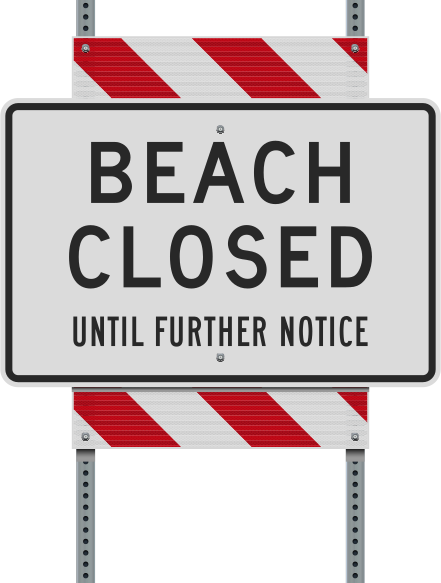
When your sewer lateral breaks and causes backups, it also creates a direct source of contamination and pollution into the surrounding soil and groundwater. Cracks and breaks in the lateral pipe allow raw sewage to discharge directly into the ground, a process commonly referred to as exfiltration. During high tides and heavy rain events, the ground becomes saturated and pulls the exfiltrated raw sewage deeper into the ground and closer to nearby water bodies. This, in turn, may cause beach closures due to pollution and contamination.
In addition to exfiltration, there is another harmful side effect of broken sewer laterals called infiltration. Infiltration is the process by which clean water enters the sewer system via cracks and breaks in sewer laterals. When a sewer lateral is broken, it is susceptible to groundwater and rainwater finding seams and entering the pipe, resulting in sanitary sewer overflows (SSOs) at treatment plants. The clean water that has entered the sewer system overloads the treatment plants causing the discharge of both treated and untreated raw sewage into our local waterways.
When an SSO occurs, the response is typically:
Beach Closures
Overflows can lead to beach closures and health hazards.
Limitation of Usage of Recreational Waterbodies
Recreational waterbodies can be limited in use due to contamination
Future Projections
Projections of the level of sea rise have steadily increased and the consequence for New York is frightening. The New York State Sea Rise Task Force projects that sea level will rise anywhere from 1-6 feet by 2100. This means that on the low end of projections, 1 foot of sea rise will have unfathomable impacts on the community.
As sea levels rise, groundwater levels also rise. This steady increase means that our underground sewer pipes will be completely covered in groundwater. Groundwater will inundate the buried sewer pipes causing further damage and corrosion. During high tide, you will not be able to use your toilets, take a shower, clean your clothes, or any activity involving drains. The best way we can protect ourselves from sea rise is to control what we can regarding our sewer infrastructure.
Environmental Science
The science surrounding the impact untreated wastewater has on the environment is well documented. Issues such as:
Algal Blooms
These are caused by excess nutrients from untreated sewage.
Nitrogen Pollution
Excess nitrogen can harm aquatic life and ecosystems.
Red Tides
Harmful algal blooms that can kill marine life.
E. coli Contamination
Bacteria that can cause serious health issues.
Deteriorating Sea Life Populations
Pollution can lead to declines in marine biodiversity.
These issues have begun to plague our environment and it is just the beginning. Our aging wastewater infrastructure will continue to decay and accelerate these issues. The scientific community is doing their part to identify the environmental impact our sewer system is having but it is our obligation to take responsibility for our sewer lines and stop contributing to the problem.